Smaller rabbit holes
I see you in the bushes
When personalisation becomes a bit too personal.
2 mins
Personalisation is brilliant.
In fact, I'd go as far as saying it's one of the biggest improvements you can make to cold outreach.
There's just one tiny catch. There's a line.
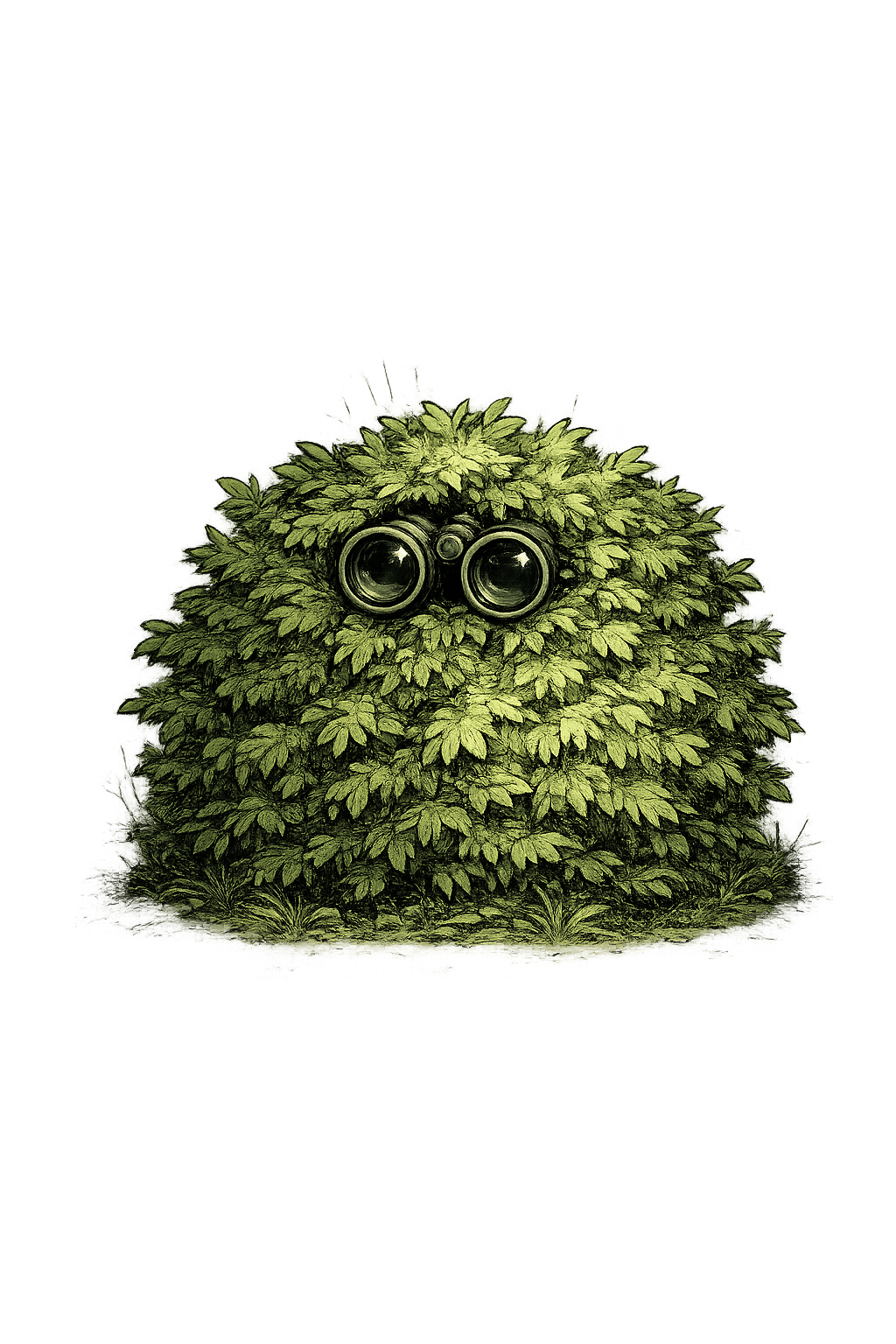
And some people don't just cross it. They sprint over it wearing camouflage.
You've probably seen the emails.
"I noticed you commented on a LinkedIn post seventeen months ago..."
"Congratulations on your daughter's under-9 football team's cup run..."
"I saw your CEO liked an article about cloud infrastructure at 10:47 on Tuesday..."
At some point, personalisation quietly stops feeling thoughtful and starts feeling like the opening scene of a true crime documentary.
I call it "the call is coming from inside the house" problem.
The irony is that the intention is usually good.
People have been told to personalise. So they personalise.
More. More. More.
Until they've assembled a dossier the CIA would be impressed with, rather than an email.
Know your audience, sure. But, you know. Don't give the poor reader the impression you've built a shrine in your locker, full of stolen personal items and hacked webcam pictures.
The trouble is that relevance isn't measured by how much you know about somebody.
It's measured by how well you understand what matters to them.
Those aren't the same thing.
I've had brilliantly personalised emails that referenced something I'd written, challenged an opinion I'd shared or connected two ideas I'd never thought to connect myself.
I've also had emails that left me wondering whether I should check the bushes before taking the bins out.
One demonstrates understanding. The other demonstrates internet access.
Aim for the first. Leave the binoculars at home.
Personalisation is brilliant.
In fact, I'd go as far as saying it's one of the biggest improvements you can make to cold outreach.
There's just one tiny catch. There's a line.
And some people don't just cross it. They sprint over it wearing camouflage.
You've probably seen the emails.
"I noticed you commented on a LinkedIn post seventeen months ago..."
"Congratulations on your daughter's under-9 football team's cup run..."
"I saw your CEO liked an article about cloud infrastructure at 10:47 on Tuesday..."
At some point, personalisation quietly stops feeling thoughtful and starts feeling like the opening scene of a true crime documentary.
I call it "the call is coming from inside the house" problem.
The irony is that the intention is usually good.
People have been told to personalise. So they personalise.
More. More. More.
Until they've assembled a dossier the CIA would be impressed with, rather than an email.
Know your audience, sure. But, you know. Don't give the poor reader the impression you've built a shrine in your locker, full of stolen personal items and hacked webcam pictures.
The trouble is that relevance isn't measured by how much you know about somebody.
It's measured by how well you understand what matters to them.
Those aren't the same thing.
I've had brilliantly personalised emails that referenced something I'd written, challenged an opinion I'd shared or connected two ideas I'd never thought to connect myself.
I've also had emails that left me wondering whether I should check the bushes before taking the bins out.
One demonstrates understanding. The other demonstrates internet access.
Aim for the first. Leave the binoculars at home.